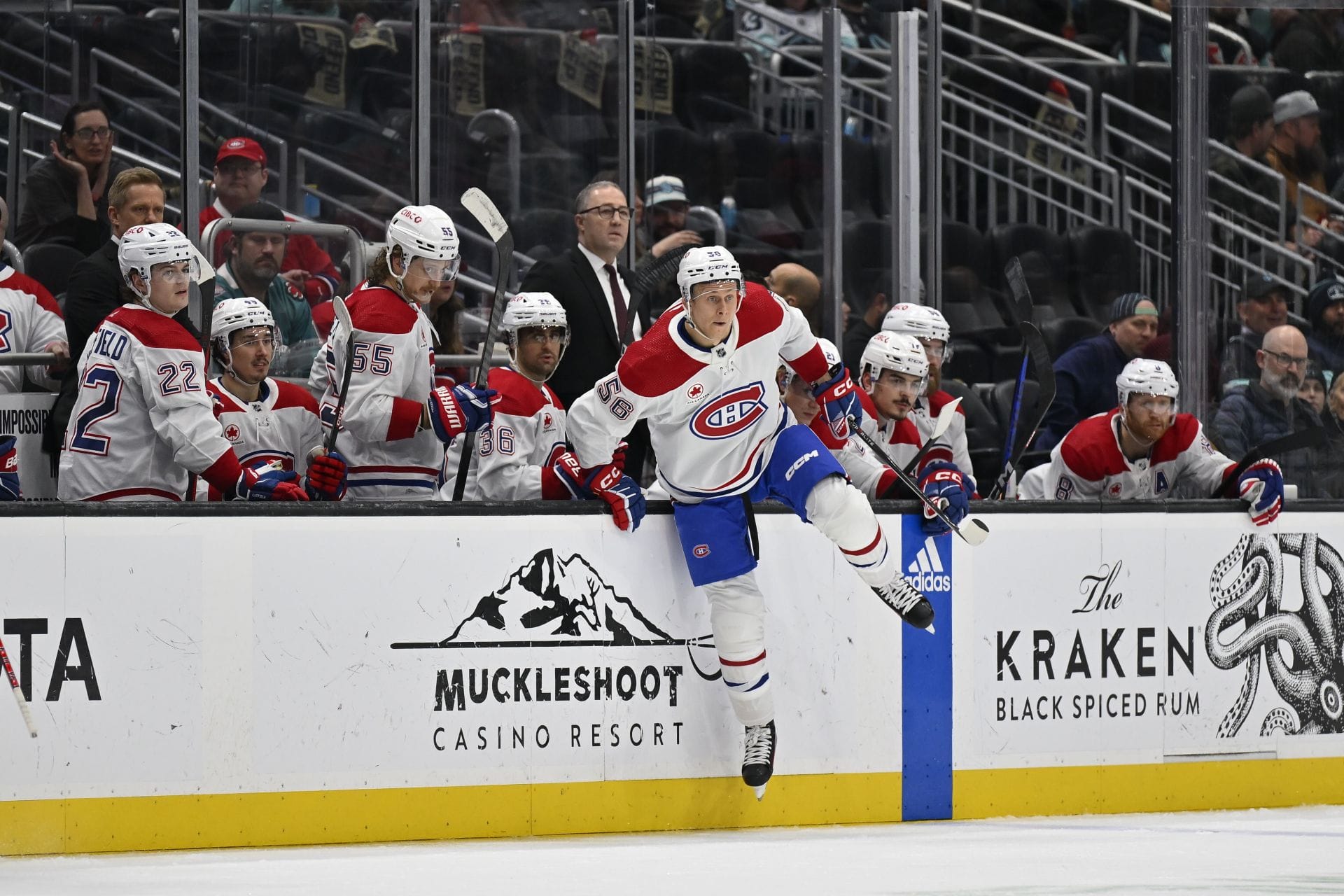
As the NHL Trade Deadline looms just over a week away, a cloud of anticipation and speculation hangs over the Montreal Canadiens. What began with optimistic hopes for a young, improving squad has morphed into another disappointing season, firmly placing the storied franchise back in lottery territory. Currently languishing in sixth place in the Atlantic Division and 13th in the Eastern Conference, the Habs are once again poised to be sellers, but the nature of their acquisitions will be critical for their long-term rebuild. The core pieces — Captain Nick Suzuki, dynamic winger Cole Caufield, and veteran defenseman Mike Matheson — are rightfully considered untouchable. However, beyond these cornerstones, virtually every other player is fair game, fueling intense montreal canadiens rumors as fans eagerly await General Manager Kent Hughes' next moves.
The Rebuild Continues: Why Montreal is Selling Again
The 2023-24 season has been a stark reminder of the challenges inherent in a full-scale rebuild. Despite flashes of brilliance and individual performances, the Canadiens have struggled with consistency, injuries, and the natural growing pains of a young roster. This means that instead of gearing up for a playoff push, the focus shifts to asset management and future planning. Being a seller at the deadline isn't a sign of failure in this context; rather, it's a strategic necessity. The goal is clear: maximize returns on expendable assets to further stock the prospect cupboards or acquire pieces that align perfectly with the team's long-term vision.
The decision to keep Suzuki, Caufield, and Matheson off the trade block is a testament to their value as foundational players. Suzuki and Caufield represent the future of the Canadiens' offense, both signed to long-term, team-friendly deals. Matheson, while older than the other two, provides crucial veteran leadership, puck-moving ability, and offensive pop from the blue line, making him invaluable to the development of younger defensemen. With these pillars in place, the management team can now look at other roster spots to create opportunities for prospects or to fill specific positional needs.
Navigating the Center Market: Dvorak vs. Newhook
One of the most active areas of montreal canadiens rumors revolves around their surplus of young centers. David Pagnotta of The Fourth Period reported that the Canadiens are actively exploring trades involving one of their young pivots. While Kirby Dach, with his size, age (23), and significant upside, appears to be a safe bet for the future, the spotlight falls squarely on Christian Dvorak and Alex Newhook. Both are capable players, but their respective contract situations, ages, and skill sets present a compelling strategic choice for the Canadiens' front office.
Christian Dvorak, at 28, is currently injured and has one year remaining on his contract after this season, carrying a $4.45 million cap hit. He also possesses a modified no-trade clause (10-team no-trade list), which adds a layer of complexity to any potential deal. Dvorak offers a reliable two-way game and face-off prowess, but his contract and injury history might limit his trade value. On the other hand, Alex Newhook, aged 23, boasts an impressive four years remaining on his deal at a very manageable $2.9 million per season, with no no-trade clause. Newhook's speed and offensive upside, combined with his age and cost control, make him an attractive asset for many teams looking for a versatile forward. Both players, despite Dvorak being slightly older, theoretically fit into Montreal's long-term plans, but are considered expendable if the right return materializes. For a deeper dive into this specific dilemma, you can read our analysis on Canadiens Trade Deadline: Dvorak vs. Newhook – Who Gets Moved? and also explore Montreal Canadiens Trade Block: Which Young Center Is Next To Go? for broader context.
The Strategic Imperative: Fortifying the Blue Line
The primary objective for the Canadiens in any potential trade appears to be bolstering their defensive corps. It's no secret that a strong, mobile, and offensively capable defense is paramount in today's NHL. While Montreal has several promising defensive prospects in the pipeline, there remains a need for a top-tier, puck-moving defenseman who can quarterback a power play and drive offense from the back end. The team is reportedly seeking either a young, offensive-minded defenseman or a first-round draft pick in return for their trade assets.
This pursuit highlights a critical juncture in the rebuild: does the team prioritize a known quantity who can step in relatively soon, or does it opt for the high-upside gamble of a draft pick? Each path carries its own set of advantages and risks, and the decision will profoundly impact the team's trajectory over the next few seasons. The current defensive group, while showing flashes, lacks a true offensive catalyst or a consistently elite two-way presence beyond Matheson. Acquiring such a piece, whether directly or through a draft pick, is essential for the Canadiens to transition from a rebuilding team to a perennial contender.
Option 1: The Young, Offensive-Minded Defenseman
Acquiring a young, offensive-minded defenseman offers a more immediate solution to a pressing need. Such a player would ideally possess strong skating, excellent puck-handling skills, vision, and the ability to contribute consistently on the power play. Think of players who can break out of their own zone with ease, join the rush, and activate in the offensive zone without compromising defensive responsibilities. The benefits are tangible: a direct injection of talent into the lineup, a potentially faster timeline for development, and a clearer picture of how the defensive core will shape up. This path reduces the uncertainty inherent in draft picks, as the player's skillset is already established at a professional or high amateur level.
However, the challenge lies in the availability and cost. Young, offensively gifted defensemen are among the most coveted assets in the NHL. They rarely become available, and when they do, the acquisition price is astronomically high, often requiring multiple high-value picks and/or top prospects. Identifying and landing the *right* player who fits the Canadiens' system and development curve without overpaying is a delicate balancing act. GM Kent Hughes would need to be absolutely confident in the player's potential and fit to justify the significant investment required for such a trade.
Option 2: The Coveted First-Round Draft Pick
The alternative, a first-round draft pick, represents the traditional currency of rebuilding teams. The allure of a first-round pick is its immense flexibility and high upside. A pick offers the chance to draft a future star, potentially even another young defenseman, but also leaves open the option to trade the pick later for a different kind of asset, or to move down in the draft to accumulate more selections. In a draft class perceived to be strong, a first-round pick can be gold, providing a clean slate for the scouting department to identify a player who perfectly matches the team's needs and long-term strategy.
The downside, of course, is the inherent uncertainty. Even a first-round pick is not a guaranteed star; development takes time, and many top prospects never fully realize their potential. There's also the delay in impact; a drafted player will likely take several years to reach the NHL, if at all, meaning no immediate help for the current roster. For a team eager to accelerate its rebuild, waiting on a prospect can be agonizing. Yet, the history of the NHL is littered with examples of teams that built dynasties by patiently accumulating and developing high draft picks.
Making the Call: Weighing Risk and Reward
The choice between a young, offensive-minded defenseman and a first-round pick is a classic strategic dilemma for any rebuilding franchise. For the Montreal Canadiens, the decision will reflect their confidence in the current scouting department, their assessment of the upcoming draft class, and their desired timeline for competitiveness. GM Kent Hughes and his team must meticulously weigh the known quantity of a developed player against the high potential (and inherent risk) of a draft pick.
Practical Tip: When evaluating these options, Hughes should consider the depth of Montreal's *current* prospect pool. If they already have a plethora of promising forwards but are thin on top-tier defensive prospects, a direct defensive acquisition might be more appealing. Conversely, if the upcoming draft is particularly rich in defensive talent, a first-round pick could be the smarter play. Additionally, the specific market conditions at the trade deadline will dictate what's truly available and at what price. A shrewd move isn't about rigid adherence to one strategy, but about adapting to the best value presented. Sometimes the best move is to hold an asset if the market isn't offering a sufficient return.
Ultimately, the best approach might be to remain flexible. If a young defenseman of genuine top-pairing potential becomes available at a reasonable price, the Canadiens should pounce. If not, accumulating a high first-round pick offers invaluable flexibility, allowing them to either draft for need or use it as a trade chip in future deals. The key is to avoid making a move just for the sake of it and to ensure that any acquisition, whether a player or a pick, aligns with the long-term vision of building a sustainable contender.
The current landscape of montreal canadiens rumors highlights the intricate dance of a team in the midst of a significant rebuild. As the trade deadline approaches, the decisions made by Kent Hughes will be instrumental in shaping the Canadiens' future. Whether they land a promising young defenseman or secure another valuable first-round draft pick, the goal remains the same: to assemble a roster capable of bringing the Stanley Cup back to Montreal. It's a journey of patience, shrewd negotiation, and unwavering vision, and the upcoming trade deadline will be a crucial step along that path.